
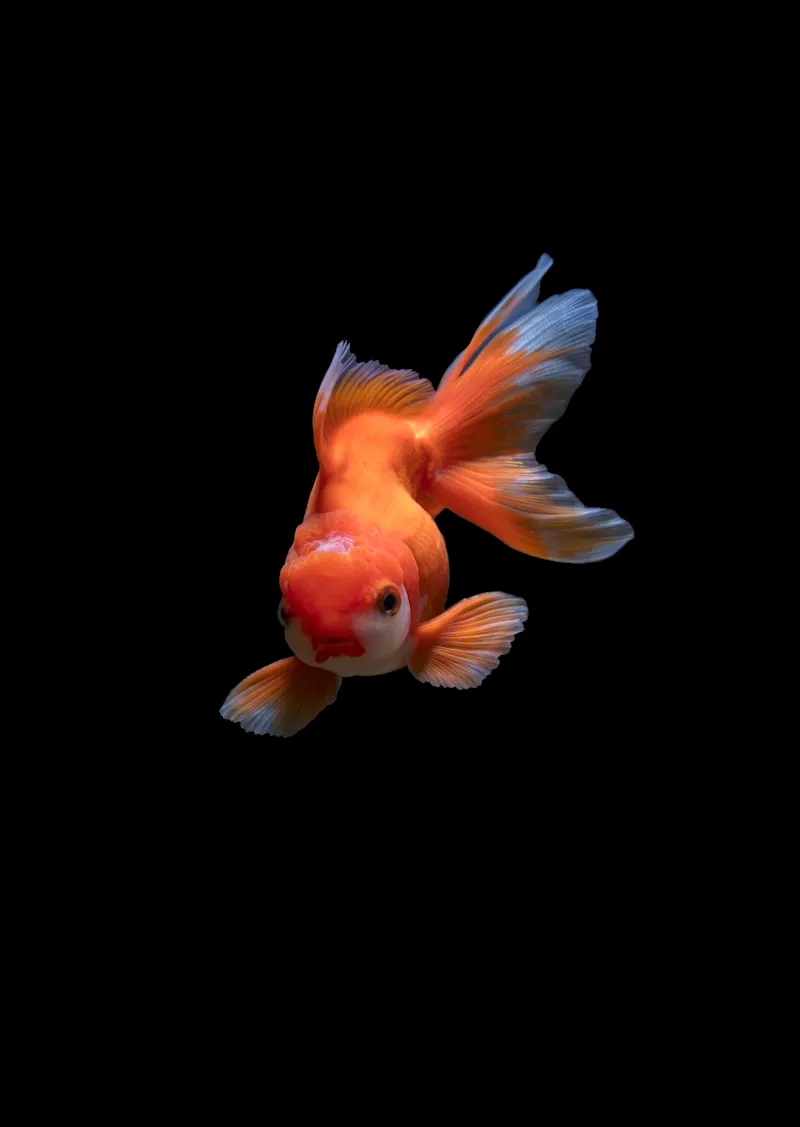
Choosing the right fish for your outdoor pond in India is one of the most important decisions you will make as a pond owner. Unlike indoor aquariums where you control every variable, outdoor ponds expose fish to India's intense summers, heavy monsoons, and temperature swings. The fish you select must be hardy enough to handle these conditions while adding beauty and life to your garden.
In this guide, we cover the best pond fish for Indian climates, how many to stock, what to feed them, and how to keep them healthy through every season — especially the challenging Bangalore weather cycle of hot summers and heavy monsoon rains.
What Makes a Good Outdoor Pond Fish in India?
Before diving into specific species, understand what qualities make a fish suitable for Indian outdoor ponds:
- Temperature tolerance: Indian outdoor ponds can range from 15°C in winter mornings to 35°C+ in peak summer. Your fish must handle this swing without stress.
- Hardiness: Outdoor ponds have more variable water chemistry than aquariums. Good pond fish tolerate pH fluctuations, temporary ammonia spikes after monsoon rains, and varying dissolved oxygen levels.
- Disease resistance: Open ponds attract insects, debris, and occasional contamination. Hardy fish with strong immune systems fare better.
- Visibility: Ponds are typically viewed from above, so brightly coloured fish that swim near the surface are more rewarding.
- Peaceful temperament: Aggressive fish cause stress and injuries in a shared pond environment.
Top 10 Fish for Outdoor Ponds in India
1. Koi (Nishikigoi)
Koi are the undisputed kings of pond keeping worldwide, and they do exceptionally well in Indian conditions. These large, colourful carp can grow up to 60-90 cm and live for 25-35 years with proper care. They come in stunning varieties — Kohaku (red and white), Sanke (red, white, and black), Showa (black with red and white), and many more.
Why they work in India: Koi are incredibly hardy and tolerate temperatures from 10°C to 35°C. They thrive in Bangalore's moderate climate. They are active, social, and can even be trained to feed from your hand.
Minimum pond size: 1,000 litres for 2-3 small koi; 5,000+ litres recommended for a proper koi pond.
Price range: INR 100-500 for standard varieties; INR 2,000-50,000+ for high-grade Japanese imports.
Feeding: Koi are omnivores. Feed floating pellets designed for koi, supplemented with occasional treats like watermelon, peas, and lettuce. Reduce feeding when water temperature drops below 15°C.
2. Goldfish (Fancy & Common)
Common goldfish and comet goldfish are excellent pond fish for India. Unlike fancy goldfish varieties (which are better suited to aquariums), common and comet goldfish are fast swimmers, hardy, and grow to impressive sizes in ponds — up to 25-30 cm.
Why they work in India: Goldfish handle temperature ranges from 10°C to 32°C easily. Their bright orange, red, yellow, and white colours are visible from above. Shubunkin goldfish add calico patterns that look stunning in ponds.
Minimum pond size: 500 litres for 4-5 goldfish.
Caution: Do not mix fancy goldfish (bubble eyes, ranchu, telescope) with koi or common goldfish in a pond — they are slow swimmers and will be outcompeted for food.
3. Guppies
Guppies are surprisingly excellent pond fish in India's tropical climate. They breed prolifically, display beautiful colours, and are virtually indestructible in warm water. In a pond setting, guppies help control mosquito larvae — a significant benefit during monsoon season.
Why they work in India: Guppies thrive at 22-30°C, which covers Bangalore's year-round temperature range. They breed constantly, so your pond will always have active fish. Their small size (3-5 cm) makes them ideal for smaller ponds.
Minimum pond size: Even 200 litres works for guppies.
Tip: Start with 10-15 guppies and within months you will have a thriving, self-sustaining population. They also coexist peacefully with koi and goldfish.
4. Mollies
Mollies are another livebearer that does wonderfully in Indian outdoor ponds. Black mollies in particular create a striking contrast against green plants and light-coloured pond substrates. They tolerate a wide range of water conditions and even do well in slightly brackish water.
Why they work in India: Temperature range of 22-28°C is perfect for most of India. They are peaceful, breed easily, and eat algae — helping keep your pond cleaner naturally.
Minimum pond size: 300 litres for a group of 8-10.
5. Rosy Barbs
Rosy barbs are an underrated pond fish in India. Males develop a gorgeous rose-pink colour, especially during breeding season. They are active mid-water swimmers, hardy, and tolerate cooler temperatures better than most tropical fish.
Why they work in India: They handle 14-28°C comfortably, making them perfect for cities with cooler winters like Bangalore. They are fast swimmers, so predators like herons have a harder time catching them.
Minimum pond size: 500 litres for a school of 8-10.
Tip: Keep in groups of 8 or more — smaller groups can become nippy.
6. Platies
Platies are colourful, peaceful, and incredibly easy to care for. Like guppies and mollies, they are livebearers that breed readily in ponds. They come in bright reds, oranges, yellows, and mixed patterns.
Why they work in India: Platies thrive at 20-28°C and handle variable water conditions well. They eat algae and mosquito larvae, providing dual benefits.
Minimum pond size: 300 litres for a group.
7. Paradise Fish
Paradise fish (Macropodus opercularis) are one of the hardiest ornamental fish available. They are stunningly colourful with blue and red striped patterns, and they can survive in low-oxygen conditions thanks to their labyrinth organ (similar to bettas).
Why they work in India: They tolerate an enormous temperature range of 10-30°C. They were historically one of the first ornamental fish brought to Europe because they could survive the long ship journey. In Indian ponds, they are virtually indestructible.
Minimum pond size: 500 litres.
Caution: Males can be aggressive toward each other. Keep one male per pond, or provide plenty of hiding spots.
8. Indian Catfish (Mystus / Pangasius)
Native Indian catfish species make excellent bottom-dwelling pond fish. They help clean the pond by scavenging uneaten food and organic debris from the bottom. Striped dwarf catfish (Mystus vittatus) are a popular and attractive option.
Why they work in India: Being native species, they are perfectly adapted to Indian water conditions and temperatures. They are extremely hardy and resistant to common diseases.
Minimum pond size: 1,000 litres.
Tip: Catfish are nocturnal, so you will see them most during dawn and dusk. Provide caves or pipe sections for daytime hiding spots.
9. Mosquitofish (Gambusia)
Gambusia are the ultimate utility fish for Indian ponds. They are voracious mosquito larvae eaters — a single fish can consume 100+ larvae per day. While not the most colourful choice, they serve a critical purpose in outdoor ponds, especially during monsoon season when standing water attracts mosquitoes.
Why they work in India: They survive temperatures from 5°C to 40°C and tolerate extremely poor water quality. They are essentially unkillable in pond conditions.
Minimum pond size: Any size.
10. Sailfin Mollies (Poecilia latipinna)
The larger cousin of the common molly, sailfin mollies are impressive pond fish. Males develop a large, sail-like dorsal fin and can grow up to 12-15 cm. They come in green, silver, black, and dalmatian patterns.
Why they work in India: They thrive at 20-28°C and handle hard, alkaline water well — common in many Indian cities. They eat algae actively and breed readily.
Minimum pond size: 500 litres.
How Many Fish Should You Stock in Your Pond?
Overstocking is the number one mistake pond owners make. Too many fish leads to poor water quality, disease, and stunted growth. Follow these general guidelines:
- Koi: 1 fish per 1,000 litres (minimum). Koi grow large and produce heavy waste.
- Goldfish: 1 fish per 100-150 litres.
- Small fish (guppies, mollies, platies): 1 fish per 10-20 litres. They breed fast, so start conservatively.
- Mixed ponds: Reduce each species' count by 30-40% when mixing species.
Remember: it is always better to understock. Your fish will be healthier, your water will stay cleaner, and you will spend less on pond maintenance.
Feeding Pond Fish in Indian Climate
Outdoor pond fish have different feeding needs than aquarium fish:
- Summer (March-May): Feed 2-3 times daily. Fish are most active and have the highest metabolism. Use high-protein pellets for koi and goldfish.
- Monsoon (June-September): Reduce to once daily. Rain changes water chemistry, and overfeeding during this period causes ammonia spikes. Remove uneaten food after 5 minutes.
- Post-monsoon (October-November): Resume normal feeding as water stabilizes.
- Winter (December-February): In Bangalore, winters are mild enough to continue feeding once daily. In colder regions, reduce to every other day when water drops below 15°C.
Pro tip: Natural ponds produce some food on their own — algae, insect larvae, and microorganisms. Supplementary feeding should account for this. If your pond has visible algae growth, your fish are already getting some nutrition from it.
Protecting Pond Fish During Monsoon Season
Monsoon is the most challenging time for outdoor pond fish in India. Here is how to protect them:
- Install an overflow system: Prevent pond flooding and fish escaping with a proper overflow drain.
- Monitor pH after heavy rains: Rainwater is slightly acidic (pH 5.5-6.5) and can crash your pond's pH. Test daily during monsoon and add baking soda (sodium bicarbonate) if pH drops below 6.5.
- Cover with netting: Prevents debris and leaves from entering the pond and reduces runoff contamination.
- Check ammonia levels weekly: Rain dilutes the pond but also washes in contaminants from surrounding soil and plants.
- Maintain your filtration system: Clean filters more frequently during monsoon as they handle increased bioload from organic debris.
Which Fish Should You Avoid in Outdoor Ponds?
Not all popular aquarium fish work in ponds. Avoid these:
- Fancy goldfish (ranchu, oranda, telescope): Too slow, vulnerable to predators, and cannot compete for food with faster fish.
- Discus: Require very stable water parameters and warm temperatures — impossible to maintain outdoors.
- Neon tetras and cardinal tetras: Too small, will be eaten by larger pond fish. Their colours are also invisible from above.
- Bettas: Cannot handle temperature swings and are aggressive toward other bettas in confined spaces.
- Oscar fish: Extremely aggressive and will eat anything that fits in their mouth, including all your other pond fish.
Frequently Asked Questions
Can koi and goldfish live together in a pond?
How many fish can I keep in a 1,000-litre pond?
Do I need a filter for my outdoor pond?
What is the cheapest fish for an outdoor pond in India?
Can pond fish survive Indian summers?
Popular Searches

Rohit Mahesh
Founder, Tank Doc
Lifelong aquarium enthusiast and founder of Tank Doc. Rohit has spent years perfecting the art of aquarium and pond care, turning his passion for aquatic life into a professional service that helps fish keepers across Bangalore maintain healthy, thriving underwater worlds.
Contact Us →Related Articles
Pond Filtration System Guide
Complete pond filtration system guide — pressurized filters, gravity-fed filters, UV clarifiers, biological filtration, pump sizing, and DIY filter setup for koi ponds and garden ponds in India.
Pond Maintenance Tips for Bangalore
Bangalore-specific pond maintenance tips covering water quality management, fish health, monsoon care, summer heat protection, algae prevention, filter servicing, and professional pond care schedules.
Pond Scaping Guide
Complete pond scaping guide for Bangalore — design layouts, aquatic plants, rocks, waterfalls, lighting, koi pond landscaping, and professional pondscaping tips for Indian climates.
Pond Cleaning Checklist
Professional pond cleaning checklist with daily, weekly, monthly, and seasonal maintenance schedules for Indian ponds. Expert tips for koi ponds, garden ponds, and water features in Bangalore.