
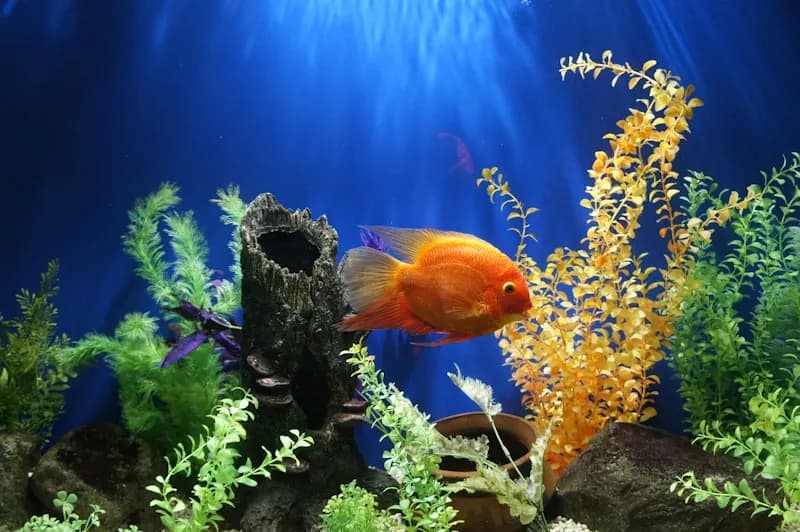
The betta fish, also known as the Siamese fighting fish, is one of the most popular and visually stunning freshwater fish in the aquarium hobby. With their flowing fins, vivid colors, and bold personalities, bettas have captured the hearts of fishkeepers worldwide. However, there is a great deal of misinformation about betta care. This comprehensive guide covers everything you need to know to keep your betta healthy, vibrant, and thriving for years.
What Should You Know About Betta Fish?
Bettas (Betta splendens) originate from the shallow rice paddies, floodplains, and slow-moving streams of Thailand, Cambodia, and Vietnam. While they can survive in small bodies of water in the wild, this does not mean they thrive in tiny containers. In their natural habitat, bettas have access to vast stretches of warm, plant-rich water. They are labyrinth fish, meaning they possess a special organ that allows them to breathe atmospheric air in addition to using their gills. This adaptation helps them survive in low-oxygen environments but is not an excuse to keep them in poor conditions.
What Is the Ideal Tank Setup for Betta Fish?
Tank Size
The absolute minimum tank size for a single betta is 20 litres (5 gallons), but 40 litres (10 gallons) or more is strongly recommended. Larger tanks are easier to maintain, provide more stable water parameters, and give your betta room to swim and explore. Forget the tiny bowls and vases you see in pet stores — those are survival, not living. For guidance on picking the right tank, see our aquarium size guide.
Filtration
A gentle filter is essential. Bettas dislike strong currents due to their long, flowing fins. Sponge filters are ideal because they provide biological filtration without creating harsh water flow. If using a hang-on-back filter, baffle the output to reduce current. Learn more about filter care in our filter maintenance guide.
Heating
Bettas are tropical fish that require a water temperature of 24-28°C (75-82°F). A reliable, adjustable heater is non-negotiable unless you live in a consistently warm tropical climate. Temperature fluctuations stress bettas and weaken their immune system, making them vulnerable to disease.
Substrate and Decorations
Use smooth gravel or sand substrate. Avoid sharp decorations and plastic plants that can tear delicate betta fins. Silk or live plants are far safer and more beneficial. Bettas love resting on broad-leaved plants near the surface, and they enjoy having hiding spots like caves and driftwood.
Lighting
Moderate lighting on a consistent day-night cycle (8-10 hours of light) keeps your betta's circadian rhythm healthy. Too much light promotes algae; too little can make your betta lethargic. If you keep live plants, choose a light that supports plant growth as well.
What Water Parameters Do Betta Fish Need?
Maintaining stable water parameters is critical for betta health:
- Temperature: 24-28°C (75-82°F)
- pH: 6.5-7.5 (slightly acidic to neutral)
- Ammonia: 0 ppm (must always be zero)
- Nitrite: 0 ppm
- Nitrate: Below 20 ppm
- Water hardness: 3-12 dGH
Perform weekly water changes of 25-30% to keep these parameters stable. Always treat new water with a dechlorinator before adding it to the tank.
How Should You Feed Your Betta Fish?
Bettas are carnivores in the wild, feeding on insects and insect larvae. A proper diet should reflect this. For detailed feeding advice, read our feeding guide.
- Staple food: High-quality betta pellets (look for those with whole fish or insect meal as the first ingredient)
- Supplementary foods: Frozen or freeze-dried bloodworms, daphnia, brine shrimp
- Feeding frequency: 2-3 small meals per day, only what they can eat in 2 minutes
- Fasting: One fast day per week aids digestion and prevents bloating
Overfeeding is one of the most common mistakes. A betta's stomach is roughly the size of its eye. Excess food fouls the water and causes constipation and swim bladder issues.
What Tank Mates Are Compatible With Betta Fish?
Despite their reputation, bettas can live with certain peaceful companions in a sufficiently large tank (40 litres or more). Suitable tank mates include:
- Corydoras catfish (bottom dwellers that stay out of the betta's way)
- Kuhli loaches (peaceful, nocturnal bottom dwellers)
- Harlequin rasboras (calm schooling fish)
- Nerite snails (excellent algae eaters, won't reproduce in freshwater)
- Amano shrimp (hardy enough to coexist, though some bettas may chase them)
Avoid fin-nipping species like tiger barbs, other bettas (especially males), brightly colored fish that could be mistaken for rivals, and slow-moving long-finned fish like fancy guppies. Always have a backup plan in case your betta proves too aggressive for community life.
What Are the Most Common Betta Fish Diseases?
Bettas are susceptible to several common diseases, most of which are preventable with proper care. Keep your betta healthy by maintaining clean water and a stress-free environment.
Fin Rot
Caused by bacterial infection, often triggered by poor water quality. Symptoms include ragged, discolored, or receding fins. Treatment involves improving water quality, raising the temperature slightly, and using aquarium salt or antibacterial medication in severe cases.
Ich (White Spot Disease)
Appears as tiny white spots on the body and fins. Caused by the parasite Ichthyophthirius multifiliis. Raise the temperature to 28-30°C gradually and treat with ich medication. Highly contagious in community tanks.
Velvet
A parasitic disease that gives the fish a dusty, gold-colored coating. Often harder to spot than ich. Treat with copper-based medications and dim the lights, as the parasite is photosensitive.
Swim Bladder Disorder
The fish struggles to maintain buoyancy, floating at the surface or sinking. Often caused by overfeeding or constipation. Fast the fish for 2-3 days, then feed a small piece of blanched, deshelled pea.
How Do You Breed Betta Fish?
Breeding bettas is a rewarding but demanding endeavor. The male builds a bubble nest at the surface. When a receptive female is introduced, the pair performs an elaborate courtship dance. After spawning, the male collects the eggs in his mouth and places them in the bubble nest. Remove the female after spawning, as the male guards the nest aggressively. The fry hatch in 24-48 hours and require infusoria or liquid fry food for the first week before graduating to baby brine shrimp. Be prepared: a single spawn can produce 50-300 fry, so have a plan for rehoming them.
What Are the Signs of a Healthy Betta?
- Vibrant, rich coloration
- Active swimming and curious behavior
- Flaring at its reflection (shows vitality)
- Healthy appetite at feeding time
- Intact, spread fins with no clamping or fraying
- Building bubble nests (a sign of contentment in males)
Pro Tip from Tank Doc
Bettas are intelligent fish that can recognize their owners and even learn simple tricks. Spend time near your betta's tank daily. You can train them to follow your finger, jump for food, and swim through small hoops. Mental stimulation is just as important as physical care for these remarkable fish.
Frequently Asked Questions
Can betta fish live in a bowl without a filter?
How long do betta fish live?
Can two male bettas live together?
Why is my betta fish not eating?
Do betta fish need a heater?
Popular Searches

Rohit Mahesh
Founder, Tank Doc
Lifelong aquarium enthusiast and founder of Tank Doc. Rohit has spent years perfecting the art of aquarium and pond care, turning his passion for aquatic life into a professional service that helps fish keepers across Bangalore maintain healthy, thriving underwater worlds.
Contact Us →Related Articles
How to Keep Your Fish Healthy
Proven tips to keep your aquarium fish healthy covering water quality, diet, tank mates, and disease prevention.
Feeding Your Aquarium Fish
Learn proper fish feeding - food types, schedules, portion sizes, and common mistakes to avoid.
Understanding Aquarium Water Parameters
Master aquarium water chemistry - learn about pH, ammonia, nitrite, nitrate, and how to maintain ideal levels.
10 Best Freshwater Fish for Beginners
Discover the most hardy, colorful, and easy-to-care-for freshwater fish species perfect for your first aquarium.