
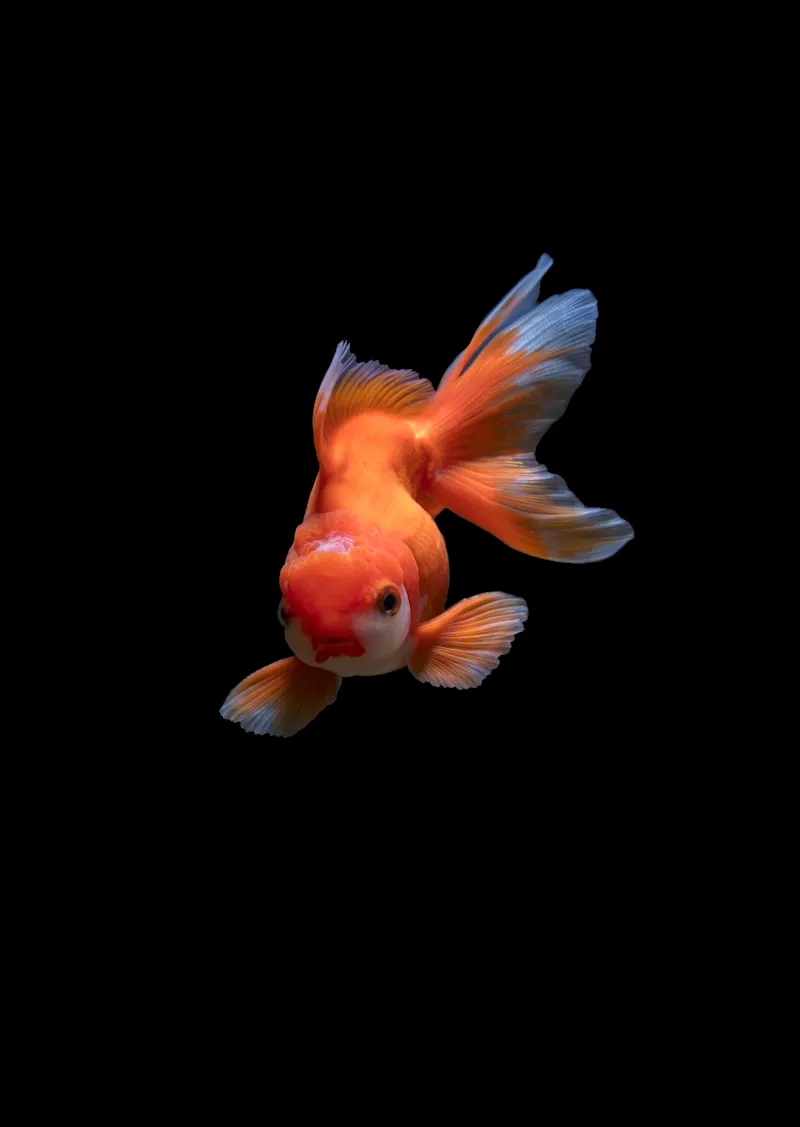
Guppies (Poecilia reticulata) are the quintessential beginner fish — colorful, hardy, peaceful, and endlessly entertaining. Known as the "million fish" for their prolific breeding, guppies have been a staple of the aquarium hobby for over a century. Available in a dazzling array of colors and fin shapes, these small livebearers pack enormous personality into a tiny package. Whether you are setting up your first tank or adding variety to an established community, this guide covers everything you need to know about guppy care.
What Should You Know About Guppy Fish?
Originating from the freshwater streams of South America and the Caribbean, guppies are now found worldwide — both in aquariums and in the wild, where they have been introduced for mosquito control. They are one of the best freshwater fish for beginners due to their hardiness, adaptability, and peaceful nature.
- Scientific name: Poecilia reticulata
- Size: Males 3-4 cm, Females 4-6 cm
- Lifespan: 2-3 years
- Temperament: Peaceful, active, social
- Diet: Omnivore
- Minimum tank size: 40 litres (10 gallons) for a small group
How Do You Tell Male and Female Guppies Apart?
Telling male and female guppies apart is straightforward once you know what to look for:
Males
- Smaller and slimmer body
- Vibrant, colorful patterns across body and fins
- Large, flowing tail fins (caudal fins)
- Modified anal fin (gonopodium) used for mating
- Constantly displaying and courting females
Females
- Larger and rounder body, especially when gravid (pregnant)
- Less colorful, often grey or silver with some tail color
- Fan-shaped anal fin
- Dark gravid spot near the anal fin when pregnant
What Tank Setup Do Guppies Need?
Tank Size
A 40-litre (10-gallon) tank is the minimum for a small group of 5-6 guppies. Since guppies breed rapidly, plan for population growth or keep an all-male tank for color without babies. Follow the general rule of 2 litres per guppy, but bigger is always better.
Water Parameters
- Temperature: 22-28°C (72-82°F)
- pH: 6.8-7.8
- Ammonia/Nitrite: 0 ppm
- Nitrate: Below 20 ppm
- Water hardness: 8-15 dGH (guppies prefer moderately hard water)
Guppies are adaptable but do best in slightly hard, alkaline water. Avoid extremely soft or acidic water, which can weaken their immune system.
Plants and Decorations
Live plants are highly recommended for guppy tanks. Floating plants like hornwort and water sprite provide cover for fry (baby guppies) and help control nitrates. Java moss is excellent for fry survival, as newborns can hide in its dense structure. Guppies also appreciate open swimming space in the middle of the tank.
What Guppy Color Varieties Are Available?
Guppies come in an astounding range of colors and patterns, making them living artwork. Popular varieties include:
- Cobra: Vertical barring with rosette patterns
- Tuxedo: Dark rear half contrasting with lighter front
- Snakeskin: Chain-link or rosette patterns across the body
- Solid colors: Red, blue, yellow, green, purple, black, albino
- Moscow: Deep, intense solid coloration covering the entire body
- Dumbo Ear: Oversized pectoral fins that resemble elephant ears
Tail shapes vary too — delta, veil, lyretail, round, spade, and flag are all common. Selective breeding has produced an incredible diversity that rivals any ornamental fish.
How Should You Feed Guppies?
Guppies are enthusiastic eaters that accept almost any food. A varied diet promotes the best color and health:
- Staple: High-quality micro pellets or crushed tropical flakes
- Protein: Frozen or freeze-dried bloodworms, brine shrimp, daphnia (2-3 times per week)
- Vegetables: Blanched spinach, zucchini, or spirulina-based foods
- Fry food: Crushed flakes, baby brine shrimp, infusoria, or commercial fry food
Feed small amounts 2-3 times daily. Guppies have small stomachs and do better with frequent small meals than one large feeding.
What Tank Mates Are Compatible With Guppies?
Guppies are peaceful community fish that get along with most similarly sized, non-aggressive species:
- Corydoras catfish
- Mollies and platies (fellow livebearers)
- Neon and cardinal tetras
- Harlequin rasboras
- Cherry barbs
- Otocinclus catfish
- Nerite and mystery snails
- Amano and cherry shrimp
Avoid aggressive fish like cichlids, large barbs, and bettas (male bettas often attack male guppies, mistaking their colorful fins for rival bettas). Also avoid large fish that could eat guppies.
How Do Guppies Breed?
Guppies are livebearers — they give birth to free-swimming fry rather than laying eggs. Breeding guppies is famously easy, which is both a blessing and a challenge.
The Breeding Process
Male guppies are persistent breeders. If you have males and females together, breeding is virtually guaranteed. The male fertilizes the female internally using his gonopodium. The female carries the developing fry for 21-30 days (the gestation period). A single female can store sperm and produce multiple batches of fry from one mating, delivering 20-50 fry every month.
Signs of a Pregnant Guppy
- Swollen, rounded belly
- Darkened gravid spot near the anal fin
- Hiding behavior as birth approaches
- Reduced appetite near delivery
Caring for Fry
Guppy parents will eat their own fry if given the chance. To maximize survival, provide dense plant cover (java moss, floating plants) or use a separate breeding box. Feed fry crushed flakes or baby brine shrimp 3-4 times daily. Fry grow quickly and show color within 4-6 weeks.
How Do You Prevent Guppy Overpopulation?
Guppy population explosions are a real concern. Here are strategies to manage breeding:
- Keep only males: An all-male tank gives you color without babies
- Separate sexes: Keep males and females in different tanks
- Natural predation: Larger peaceful fish eat some fry naturally
- Rehome excess fish: Local fish stores, aquarium clubs, and online communities often accept guppies
- Reduce hiding spots: Fewer dense plants means fewer fry survive (though this feels harsh)
Pro Tip from Tank Doc
If you want to breed specific color strains, keep each strain in a separate tank. Mixed breeding produces unpredictable offspring that usually revert to wild-type coloration within a few generations. Selective breeding requires patience and dedication, but the results are spectacular.
Frequently Asked Questions
How many guppies can I keep in a 10-gallon tank?
How often do guppies have babies?
Do guppies eat their babies?
Can guppies live with bettas?
Popular Searches

Rohit Mahesh
Founder, Tank Doc
Lifelong aquarium enthusiast and founder of Tank Doc. Rohit has spent years perfecting the art of aquarium and pond care, turning his passion for aquatic life into a professional service that helps fish keepers across Bangalore maintain healthy, thriving underwater worlds.
Contact Us →Related Articles
10 Best Freshwater Fish for Beginners
Discover the most hardy, colorful, and easy-to-care-for freshwater fish species perfect for your first aquarium.
Feeding Your Aquarium Fish
Learn proper fish feeding - food types, schedules, portion sizes, and common mistakes to avoid.
Beginner's Guide to Setting Up a Freshwater Aquarium
Start your fishkeeping journey right with this complete guide from choosing a tank to adding your first fish.
Understanding Aquarium Water Parameters
Master aquarium water chemistry - learn about pH, ammonia, nitrite, nitrate, and how to maintain ideal levels.