
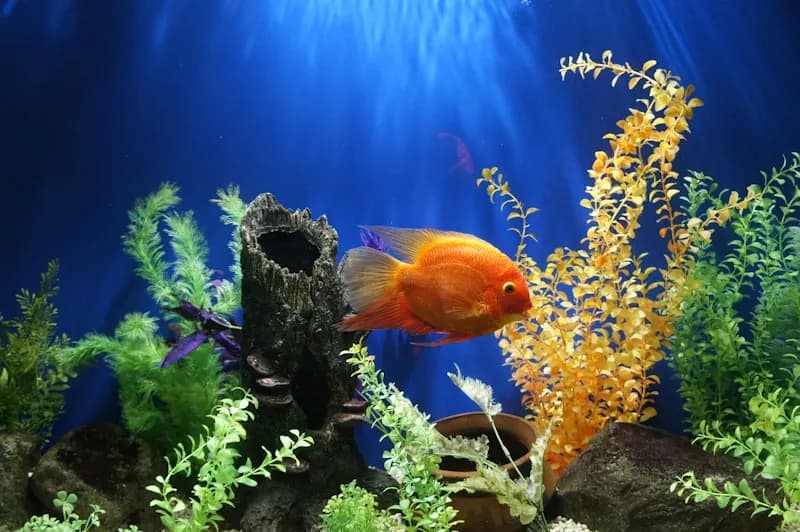
Keeping your aquarium clean is the single most important thing you can do for the health of your fish. A dirty tank leads to poor water quality, stressed fish, and disease outbreaks. Whether you have a small 10-gallon tank or a large 100-gallon setup, regular cleaning is essential. In this comprehensive guide, we walk you through every step of the aquarium cleaning process.
Why Does Regular Aquarium Cleaning Matter?
Fish produce waste constantly. Uneaten food, decaying plant matter, and fish excrement break down into ammonia, which is highly toxic. While your aquarium filter handles much of this, it cannot do everything alone. Without regular cleaning, toxins accumulate and algae takes over. Regular maintenance keeps your aquatic ecosystem balanced and your fish thriving.
What Tools Do You Need to Clean an Aquarium?
- Algae scraper or magnetic glass cleaner
- Gravel vacuum (siphon)
- Two clean buckets (dedicated to aquarium use only)
- Water conditioner / dechlorinator
- Clean towels or paper towels
- Filter media (if replacing)
- Water testing kit for checking water parameters
What Is the Step-by-Step Aquarium Cleaning Process?
Step 1: Prepare Your Supplies
Gather all your cleaning tools before you begin. Make sure your buckets are clean and free of soap or chemical residue. Never use household cleaners near your aquarium as even trace amounts can be lethal to fish. Unplug your heater 15 minutes before the water level drops below it to prevent cracking.
Step 2: Clean the Inside Glass
Start by scrubbing algae off the inside glass walls. Use an algae scraper for stubborn spots or a magnetic cleaner for routine maintenance. Work from top to bottom so debris falls to the substrate. For acrylic tanks, use only acrylic-safe pads to avoid scratching.
Step 3: Clean Decorations and Plants
Remove artificial decorations that have visible algae buildup. Scrub them with an aquarium-safe brush under running water. Never use soap. For live plants, trim dead or yellowing leaves to promote healthy growth. Learn more in our plant health guide.
Step 4: Vacuum the Gravel
Use your gravel vacuum to siphon debris from the substrate. Push the vacuum into the gravel and let it pull up detritus while the water drains into your bucket. Work in sections, covering about one-third of the substrate each cleaning session. This ensures you do not disturb too many beneficial bacteria at once.
Step 5: Perform a Water Change
Remove 25-30% of the tank water during each cleaning session. This is crucial for removing dissolved waste that your filter cannot eliminate. Replace with dechlorinated water that matches the tank temperature. For a detailed guide, read our article on how to do a proper water change.
Step 6: Clean the Filter
Clean your filter media in old tank water, never tap water. Chlorine in tap water kills beneficial bacteria that are essential for the nitrogen cycle. Rinse mechanical media gently and replace chemical media like activated carbon monthly. Never replace all filter media at once.
Step 7: Clean the Outside Glass and Equipment
Wipe down the outside glass with a damp cloth. Clean the light fixture and remove mineral deposits from the rim. Check that all equipment is functioning properly, including heaters, air pumps, and filters.
How Often Should You Clean Your Aquarium?
For most freshwater aquariums, a partial water change and gravel vacuum every 1-2 weeks is ideal. The exact frequency depends on your tank size, stocking level, and filtration capacity. Heavily stocked tanks or those without live plants may need weekly maintenance. Test your water parameters regularly to determine the best schedule for your setup.
What Are the Most Common Aquarium Cleaning Mistakes?
- Cleaning everything at once: This destroys beneficial bacteria and can crash your cycle.
- Using soap or detergents: Even tiny residues are toxic to fish.
- Replacing all the water: Large water changes shock fish. Stick to 25-30%.
- Neglecting the filter: A dirty filter reduces water flow and filtration efficiency.
- Scrubbing too aggressively: Some algae on surfaces is natural and can be beneficial.
- Forgetting to dechlorinate: Tap water chlorine kills beneficial bacteria and harms fish.
When Should You Call a Professional Aquarium Cleaner?
If your aquarium has persistent algae problems, cloudy water that does not clear, or you simply do not have the time for regular maintenance, consider hiring a professional aquarium cleaning service. At Tank Doc, we provide scheduled cleaning services throughout Bangalore, ensuring your tank stays pristine and your fish stay healthy and happy.
Pro Tip from Tank Doc
Keep a cleaning log to track your maintenance schedule. Note down the date, water parameters, and any observations about your fish. This helps you identify patterns and catch problems early.
Frequently Asked Questions
How often should I clean my aquarium?
Can I use soap to clean my aquarium?
Should I remove my fish when cleaning the tank?
How much water should I change during cleaning?
Why is my aquarium water still cloudy after cleaning?
Popular Searches

Rohit Mahesh
Founder, Tank Doc
Lifelong aquarium enthusiast and founder of Tank Doc. Rohit has spent years perfecting the art of aquarium and pond care, turning his passion for aquatic life into a professional service that helps fish keepers across Bangalore maintain healthy, thriving underwater worlds.
Contact Us →Related Articles
How to Do a Proper Aquarium Water Change
Master aquarium water changes - when, how much, and the correct technique to keep your fish healthy.
How to Control Algae in Your Aquarium
Proven methods to identify, control, and prevent algae growth in your aquarium for crystal-clear water.
Aquarium Filter Maintenance Guide
Complete guide to filter types, cleaning schedules, media replacement, and troubleshooting problems.
How to Keep Your Fish Healthy
Proven tips to keep your aquarium fish healthy covering water quality, diet, tank mates, and disease prevention.