
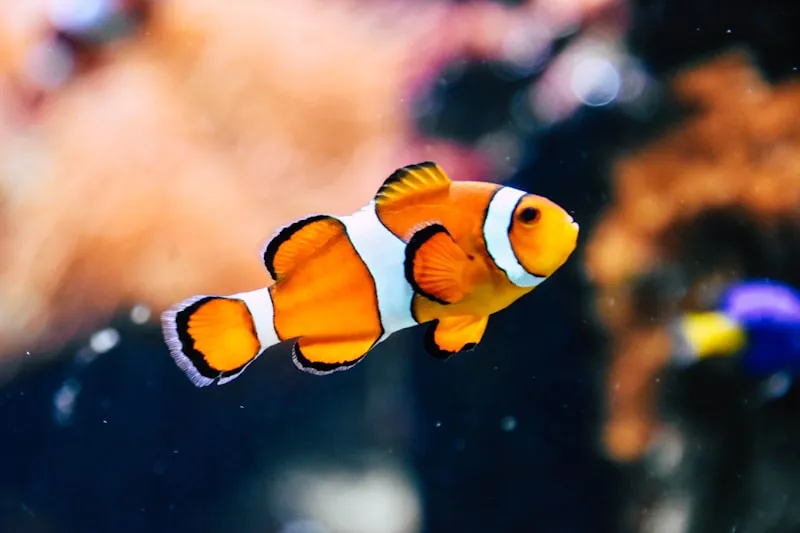
Freshwater puffer fish are among the most fascinating, intelligent, and personality-filled fish you can keep in a home aquarium. With their expressive faces, curious eyes that move independently, and remarkable ability to recognize their owners, puffers are often described as the dogs of the fish world. However, they also come with unique challenges — specialized diets, potential aggression, and teeth that never stop growing. This guide covers the most popular freshwater puffer species and everything you need to know to care for them.
What Are the Most Popular Freshwater Puffer Species?
Dwarf Pea Puffer (Carinotetraodon travancoricus)
The smallest puffer species, growing to just 2.5-3.5 cm (1-1.5 inches). Native to the rivers of Kerala, India, these tiny predators have enormous personalities. Despite their small size, they are feisty and territorial. A single pea puffer can be kept in a well-planted 20-litre tank, or a group of 5-6 in a 60-litre tank with plenty of line-of-sight breaks.
- Size: 2.5-3.5 cm
- Temperature: 22-28°C
- pH: 6.5-7.5
- Minimum tank: 20 litres for one, 60 litres for a group
- Diet: Live and frozen foods only
- Temperament: Curious, territorial, nippy
Figure 8 Puffer (Dichotomyctere ocellatus)
Named for the figure-8-shaped pattern on their back, these puffers grow to 6-8 cm and prefer brackish water (specific gravity 1.005-1.008), though young specimens can be kept in freshwater. They are more social than many puffer species and can sometimes be kept in small groups.
- Size: 6-8 cm
- Temperature: 24-28°C
- pH: 7.5-8.3
- Minimum tank: 75 litres
- Water type: Brackish preferred
- Temperament: Semi-aggressive, can be kept in pairs or small groups
South American Puffer (Colomesus asellus)
One of the more peaceful puffer species, growing to 8-12 cm. They are active schooling puffers that do best in groups of 5 or more. Unlike most puffers, they are reasonably compatible with other fast-moving fish. They require more frequent teeth trimming than other species.
- Size: 8-12 cm
- Temperature: 24-28°C
- pH: 6.0-7.5
- Minimum tank: 150 litres for a group
- Temperament: Relatively peaceful for a puffer
What Tank Setup Do Puffer Fish Need?
Aquascaping
Puffers are intelligent fish that need environmental enrichment. A bare tank leads to boredom and stress. Provide plenty of live plants, driftwood, rocks, and caves. Pea puffers especially benefit from dense planting with java moss, Anubias, and floating plants. Create distinct territories with line-of-sight breaks to reduce aggression between individuals.
Filtration
Puffers are messy eaters. Their diet of frozen and live foods fouls the water quickly. A filter rated for 1.5-2 times your tank volume is recommended. Sponge filters work well for pea puffers; canister filters are ideal for larger species. Regular maintenance is essential — refer to our filter maintenance guide.
Substrate
Sand is the preferred substrate for puffers. Many species enjoy sifting through sand or burying themselves. Avoid sharp gravel that could injure their soft bellies.
How Should You Feed Puffer Fish?
Diet is the most critical and demanding aspect of puffer care. Most puffers refuse flakes and pellets entirely. They require a diet of live and frozen foods. For more general feeding advice, see our feeding guide.
Essential Foods
- Snails: The most important food item. Bladder snails, ramshorn snails, and Malaysian trumpet snails are ideal. The hard shells are essential for wearing down puffer teeth.
- Frozen bloodworms: A staple for pea puffers and juveniles of larger species
- Frozen brine shrimp: Good variety food
- Frozen mysis shrimp: Excellent nutrition for medium to large puffers
- Live blackworms: Highly nutritious and stimulating for hunting behavior
- Shellfish: Clam, mussel, and cockle for larger species (shell-on to wear teeth)
Feeding Schedule
Pea puffers: Feed small amounts 1-2 times daily. Larger puffers: Feed once daily or every other day, depending on species and size. Puffers have a tendency to overeat — their round bellies expand noticeably after a meal. A slightly rounded belly after eating is normal; a distended belly means you are overfeeding.
Do Puffer Fish Need Their Teeth Trimmed?
All puffers have a beak-like mouth formed by four fused teeth (two upper, two lower) that grow continuously throughout their life, similar to rodent teeth. In the wild, they wear their teeth down on hard-shelled prey. In captivity, if the diet does not include enough hard-shelled foods (primarily snails), the teeth can overgrow, preventing the fish from eating.
Preventing Overgrown Teeth
- Feed snails regularly — ideally several times per week
- Offer shell-on shellfish (mussels, cockle) for larger species
- Provide crunchy foods like freeze-dried krill
Signs of Overgrown Teeth
- Difficulty eating or spitting food out
- Visibly protruding teeth or beak
- Weight loss despite food being offered
- Reluctance to eat hard foods
If teeth do overgrow, a vet experienced with fish or a skilled aquarist can trim them using small clippers while the fish is lightly sedated with clove oil. This is stressful for the fish and should be a last resort — prevention through diet is far better.
How Intelligent Are Puffer Fish?
Puffers are widely considered among the most intelligent aquarium fish. They recognize their owners, beg for food, follow movement outside the tank, and display distinct individual personalities. Some are bold and curious; others are shy and cautious. Pea puffers are known for their stalking behavior — they will carefully track and ambush prey with remarkable patience and precision.
Because of their intelligence, puffers need mental stimulation. Rearranging decorations periodically, offering live food for hunting practice, and interacting with them through the glass all contribute to a happier, healthier puffer.
What Tank Mates Work With Puffer Fish?
Most puffers are best kept in species-only setups. They are fin nippers and can be aggressive toward other fish. However, some species can coexist with carefully chosen companions:
Pea Puffers
Best kept species-only. Fast, agile fish like otocinclus catfish sometimes work in large, heavily planted tanks. Avoid slow-moving or long-finned fish.
Figure 8 Puffers
Can coexist with larger, fast-moving brackish fish like bumblebee gobies or mollies. Tank must be large enough with ample hiding spots.
South American Puffers
The most community-compatible puffer. Can live with fast-moving tetras, corydoras, and similar peaceful fish in a large tank.
Why Do Puffer Fish Inflate?
Puffers inflate by swallowing water (or air if removed from water) to deter predators. While fascinating, inflation is a severe stress response. Never intentionally provoke a puffer to inflate — it is harmful and can be fatal if they gulp air, as the air bubble can become trapped internally. If a puffer inflates during netting or transport, hold the net underwater and let it deflate naturally before removing it.
Pro Tip from Tank Doc
Start a snail breeding colony in a separate small tank or container. Bladder snails and ramshorn snails breed prolifically in a small setup with leftover fish food or blanched vegetables. This gives you a free, constant supply of the most important food for your puffer's dental and nutritional health.
Frequently Asked Questions
Can puffer fish eat regular fish food like flakes or pellets?
Are pea puffers good for beginners?
Do puffer fish need their teeth trimmed?
Can puffer fish live with other fish?
Why does my puffer fish puff up?
Popular Searches

Rohit Mahesh
Founder, Tank Doc
Lifelong aquarium enthusiast and founder of Tank Doc. Rohit has spent years perfecting the art of aquarium and pond care, turning his passion for aquatic life into a professional service that helps fish keepers across Bangalore maintain healthy, thriving underwater worlds.
Contact Us →Related Articles
Feeding Your Aquarium Fish
Learn proper fish feeding - food types, schedules, portion sizes, and common mistakes to avoid.
Understanding Aquarium Water Parameters
Master aquarium water chemistry - learn about pH, ammonia, nitrite, nitrate, and how to maintain ideal levels.
How to Keep Your Fish Healthy
Proven tips to keep your aquarium fish healthy covering water quality, diet, tank mates, and disease prevention.
How to Choose the Right Aquarium Size for Your Fish
Expert guide on choosing the perfect tank size based on fish species, space, and budget considerations.