
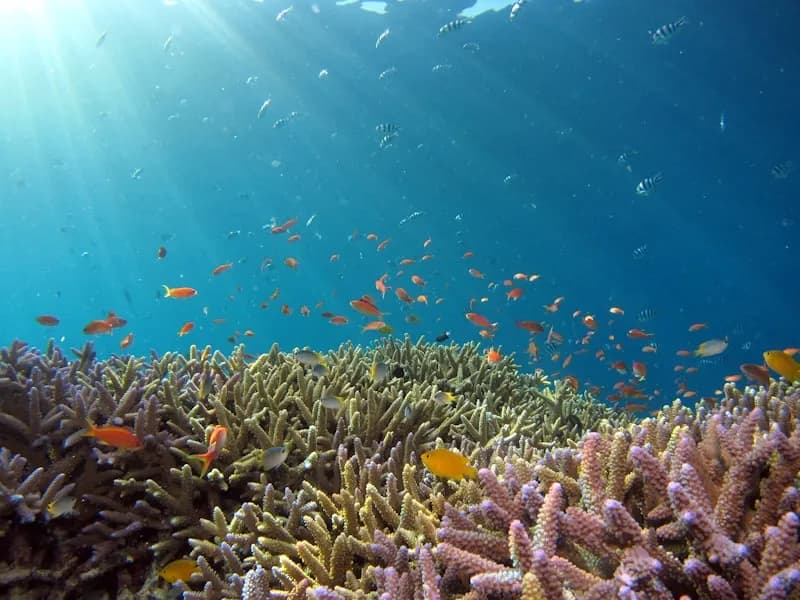
A garden pond is a living ecosystem — a beautiful, dynamic feature that brings tranquility, wildlife, and natural beauty to your outdoor space. But like any ecosystem, it requires regular care to stay healthy and balanced. Whether you have a small decorative pond with goldfish or a large koi pond, proper cleaning is essential to prevent water quality problems, fish disease, and unsightly algae overgrowth.
Pond cleaning is fundamentally different from aquarium cleaning. The larger water volume, exposure to weather, interaction with the surrounding environment, and the presence of natural biological processes all create unique challenges. In India, where we deal with intense summers, heavy monsoons, and varying water quality across cities like Bangalore, pond care requires even more attention to detail.
In this comprehensive guide, we cover the five most critical things you need to take care of when cleaning your pond. Master these five areas, and your pond will remain a thriving, beautiful centerpiece of your garden for years to come.
How Do You Test and Protect Pond Water Quality?
Water quality is the foundation of everything in pond keeping — it determines whether your fish thrive or struggle, whether plants grow or wilt, and whether your pond looks crystal clear or turns into a green soup. Unlike aquariums where you control every variable, ponds are open systems that interact with rain, runoff, debris, and ambient temperature, making water quality management more complex.
Essential Water Parameters to Test
Regular testing is the only way to truly know what is happening in your pond water. Here are the critical parameters:
- pH Level (Ideal: 6.5-8.5): Most pond fish thrive in this range. Koi prefer 7.0-8.5, while goldfish are comfortable in 6.5-7.5. pH can fluctuate throughout the day due to photosynthesis and respiration of plants and algae. Test at the same time each day for consistent readings. Sudden pH swings of more than 0.5 in a day stress fish severely.
- Ammonia (Ideal: 0 ppm): Any detectable ammonia is dangerous. In ponds, ammonia comes from fish waste, decaying organic matter (fallen leaves, dead insects), and uneaten food. Ammonia is more toxic at higher pH and warmer temperatures — a dangerous combination during Indian summers.
- Nitrite (Ideal: 0 ppm): The intermediate product of the nitrogen cycle. Nitrite is toxic to fish even at low levels (above 0.25 ppm). If nitrite is present, your biological filtration is either insufficient, immature, or has been disrupted.
- Nitrate (Ideal: below 40 ppm): The end product of biological filtration. While less toxic than ammonia or nitrite, high nitrates fuel algae growth and stress fish over time. Water changes are the primary method of controlling nitrate levels.
- KH (Carbonate Hardness, Ideal: 80-120 ppm): KH buffers pH and prevents dangerous pH crashes. In Bangalore, borewell water often has adequate KH, but rainwater during monsoons has almost zero KH and can dilute your pond's buffering capacity.
Water Change Best Practices for Ponds
Regular water changes of 25-30% every 1-2 weeks are essential for maintaining water quality. Here is how to do them effectively:
- Always dechlorinate new water before adding it to the pond. Bangalore municipal (Cauvery) water contains chlorine and chloramine that kill fish and destroy beneficial bacteria.
- Add new water slowly, ideally over several hours, to avoid temperature and chemistry shocks.
- During monsoon, you may need fewer deliberate water changes as rain naturally dilutes the pond, but test KH regularly to ensure it does not crash.
- In summer, increase water change frequency as evaporation concentrates waste products and warmer water holds less dissolved oxygen.
🐠 Pro Tip from Tank Doc:
Invest in a quality liquid test kit (API Pond Master Test Kit or equivalent) rather than test strips. Liquid tests are more accurate and cost-effective in the long run. Test your pond water at least weekly, and twice weekly during summer and monsoon when conditions change rapidly.
How Do You Ensure Fish Safety During Pond Cleaning?
Your fish are living creatures that experience stress just like any animal. Pond cleaning — especially deep cleaning — is inherently stressful for fish. The key is to minimize that stress through careful planning and gentle handling.
Stress Reduction During Routine Maintenance
For regular maintenance (partial water changes, skimming, filter checks), you generally do not need to remove your fish. Here is how to keep them calm:
- Move slowly and deliberately around the pond. Sudden movements and shadows trigger a fear response in fish.
- Avoid reaching into the water unnecessarily. Every disturbance increases cortisol (stress hormone) levels in fish.
- Do not clean the entire pond at once. Work in sections over several days to minimize disruption.
- Maintain a consistent schedule so fish become accustomed to your presence during maintenance times.
- Never use chemicals or cleaning agents in or near the pond. Even small amounts of soap, detergent, or garden chemicals can be lethal.
Temporary Holding During Deep Cleans
For thorough deep cleaning that requires significant water draining (more than 50%), you will need to temporarily relocate your fish. Follow these steps:
- Prepare the holding container: Use a large plastic tub, kiddie pool, or dedicated holding tank. Clean it thoroughly with plain water — no soap. Fill it with pond water (not fresh tap water).
- Provide aeration: Set up a battery-powered or electric air pump with an airstone in the holding container. Fish in a confined space consume oxygen rapidly.
- Provide shade: Keep the holding container in a shaded area or cover it with a net or cloth. Direct sunlight heats the water rapidly and stressed fish are more vulnerable to temperature changes.
- Catch fish gently: Use a soft, knotless net to catch fish. Wet the net before use. Handle fish as little as possible. For large koi, use a sock net or pan net designed for koi handling.
- Match temperature: Ensure the holding container water temperature is within 1-2°C of the pond water. Temperature shock is one of the most common causes of fish death during pond cleaning.
- Minimize holding time: Work efficiently to complete the deep clean and return fish to the pond as quickly as possible. Ideally, fish should not be in the holding container for more than 4-6 hours.
Reintroduction After Cleaning
When returning fish to the cleaned pond, float them in bags (like you would when introducing new fish) for 15-20 minutes to equalize temperature. If the water chemistry has changed significantly, acclimate them gradually by adding small amounts of new pond water to their holding container over 30-60 minutes before release.
🐠 Pro Tip from Tank Doc:
Feed your fish lightly or not at all for 24 hours before a deep clean. Fish with empty digestive tracts produce less waste in the holding container, keeping the temporary water cleaner and reducing stress.
How Should You Clean and Maintain Your Pond Filtration System?
Your pond filter is the heart of the ecosystem — it processes fish waste, breaks down organic matter, and keeps water clear. Understanding the difference between biological and mechanical filtration is crucial for proper maintenance.
Understanding Biological vs Mechanical Filtration
Your pond filter performs two distinct functions:
- Mechanical filtration: Physically traps debris, suspended particles, and solid waste. This includes foam pads, filter brushes, and filter mats. These need regular cleaning (every 1-2 weeks) as they clog with debris and reduce water flow.
- Biological filtration: Provides surface area for beneficial bacteria (Nitrosomonas and Nitrobacter) that convert toxic ammonia into nitrite and then into less harmful nitrate. This includes bio-balls, ceramic rings, lava rock, and Japanese filter matting. These should be cleaned gently and infrequently.
The Golden Rule: Never Replace All Media at Once
This is the single most important rule of filter maintenance. Your biological filter media houses billions of beneficial bacteria that have colonized over weeks and months. If you replace or deep-clean all the media at once, you effectively crash your nitrogen cycle, leading to dangerous ammonia and nitrite spikes that can kill fish within days.
Instead, follow this approach:
- Clean or replace only one-third of your filter media at a time.
- Wait at least 2-3 weeks before cleaning the next third.
- Always rinse biological media in pond water (not tap water). Chlorine in tap water kills the beneficial bacteria you are trying to preserve.
- Squeeze out foam pads in a bucket of pond water until they run mostly clear. They do not need to be spotless — some residue is fine and actually contains beneficial bacteria.
- Replace mechanical media (foam pads) only when they are falling apart and can no longer be cleaned effectively. Most quality foam pads last 1-2 years.
Pump and Plumbing Maintenance
Your pond pump moves water through the filter and back to the pond. Regular pump maintenance includes:
- Check the pump intake regularly for debris, leaves, and algae blockage.
- Clean the pump impeller every 3-6 months. Mineral deposits and debris can reduce flow rate significantly.
- Inspect hoses and connections for cracks, leaks, and blockages.
- For UV clarifiers, replace the UV bulb annually (even if it still glows, UV output diminishes over time). Clean the quartz sleeve every 3 months.
🐠 Pro Tip from Tank Doc:
Keep a spare pump on hand, especially during Indian summers when pump failure combined with high temperatures can become an emergency within hours. A backup pump is cheap insurance against a catastrophic fish loss.
How Can You Control Algae Without Harming the Pond Ecosystem?
Algae is the most visible and frustrating pond problem. Green water, string algae on rocks, and slimy coatings make your pond look neglected and can harm fish by depleting oxygen at night. But algae is a natural part of any pond ecosystem — the goal is control, not elimination.
Understanding Why Algae Grows
Algae thrives when two conditions are met: excess nutrients (nitrate, phosphate) and adequate light. In Indian ponds, the combination of warm temperatures, strong sunlight, and nutrient-rich conditions creates an ideal environment for algae. To control algae, you need to address one or both of these factors.
Manual Removal Methods
- String algae: Remove by hand or wind it around a stick or brush. Regular manual removal prevents it from taking over. Dispose of it in the garden as compost — it is excellent fertilizer.
- Green water (suspended algae): A UV clarifier is the most effective solution. UV light kills suspended algae cells, which then clump together and are removed by your filter. Most ponds in India benefit from a UV clarifier running year-round.
- Surface algae on rocks and walls: A pond brush or pressure washer (used carefully, away from fish) cleans hard surfaces. Some algae on rocks is actually beneficial — it provides grazing surface for fish and contributes to biological filtration.
Shade Management (40-60% Coverage)
Shade is your most powerful natural weapon against algae. Aim for 40-60% of your pond surface to be shaded:
- Floating plants: Water lettuce, water hyacinth (where legal), and lotus provide excellent shade while absorbing excess nutrients. They are nature's own algae fighters.
- Lily pads: Hardy water lilies thrive in Indian conditions and provide beautiful shade. Aim for lily coverage of 30-40% of the water surface.
- Marginal plants: Plants along the pond edges provide partial shade and absorb nutrients from the water through their roots.
- Shade structures: If natural plant shade is insufficient, consider a shade sail or pergola over part of the pond, especially to block the intense afternoon sun (12-4 PM).
Why You Should Avoid Chemical Algaecides
Chemical algaecides (copper sulfate, potassium permanganate, and commercial algae killers) may seem like a quick fix, but they cause more problems than they solve:
- Dead algae decomposes rapidly, consuming oxygen and releasing nutrients that fuel the next algae bloom — a vicious cycle.
- Chemicals can harm fish, especially at higher temperatures when toxicity increases.
- Beneficial bacteria are killed alongside algae, disrupting your biological filtration.
- Repeated chemical use creates resistant algae strains that become harder to control.
Instead, use natural methods: proper shade, adequate filtration, controlled feeding, regular water changes, and a UV clarifier. These create long-term, sustainable algae control. Barley straw extract is one natural product that inhibits algae growth without harming fish or beneficial bacteria — consider it as a supplementary measure.
🐠 Pro Tip from Tank Doc:
Overfeeding is the number one cause of excess algae in garden ponds. Fish should consume all food within 5 minutes. Any food left floating after that is excess that will decompose into nutrients that feed algae. Feed once or twice daily in moderate amounts rather than one large feeding.
How Should You Time Your Pond Cleaning Based on the Season?
Timing your pond cleaning correctly can make the difference between a smooth, successful maintenance session and a stressful ordeal for both you and your fish. The Indian climate creates distinct seasonal windows that are ideal — and some that should be avoided — for major pond work.
February-March: The Ideal Deep Cleaning Window
Late winter to early spring (February-March) is the best time for a thorough deep clean in most of India. Here is why:
- Mild temperatures: Daytime temperatures in Bangalore are typically 25-32°C, and water temperatures are stable. Fish are not heat-stressed, making them more resilient to the temporary disruption of cleaning.
- Pre-growth preparation: Cleaning now prepares your pond for the active growing season. Plants will fill in quickly, and the biological filter re-establishes rapidly in warming water.
- Low algae pressure: Algae growth is moderate in late winter, making it easier to clean and get ahead of spring blooms.
- Fish activity: Fish are moderately active with strong immune systems, able to handle the stress of temporary relocation if needed.
Seasons to Approach with Caution
- Peak Summer (April-May): Avoid major cleaning during the hottest months. Water temperatures are already stressing fish, and the disruption of a deep clean can push them past their tolerance. Stick to routine maintenance: partial water changes, filter checks, and debris removal. If a deep clean is absolutely necessary, do it in the early morning (before 8 AM) when temperatures are lowest.
- Monsoon (July-September): Heavy rains, power outages, and rapidly changing water conditions make this a poor time for deep cleaning. Rainwater runoff can introduce pollutants and drastically alter pH and KH. Focus on keeping debris out of the pond, maintaining filters, and monitoring water quality.
- Late Monsoon/Post-Monsoon (October): A moderate cleaning after monsoon ends is often needed to remove accumulated debris, clean filters, and assess any damage from the rainy season. This is a good time for a mid-year maintenance overhaul.
Bangalore-Specific Seasonal Advice
Bangalore's unique climate at 920 metres elevation offers some advantages for pond keepers:
- February-March cleaning: Ideal. Bangalore's weather during this period (22-33°C) is the most comfortable for both you and your fish. Mornings are cool enough for physical work, and water temperatures are stable.
- Summer (April-May): Bangalore's summers are milder than North Indian cities, but temperatures can still reach 36-38°C. Morning cleaning (before 9 AM) is feasible if needed.
- Monsoon (June-September): Bangalore receives significant rainfall. Ensure pond edges are graded to prevent garden runoff from entering the pond. Runoff carries fertilizer, pesticide residue, and soil that degrades water quality.
- Winter (November-January): Bangalore's winter is mild (15-28°C) and suitable for light maintenance, but not ideal for deep cleaning as fish metabolism slows in cooler water and immune response is reduced.
Creating a Seasonal Maintenance Schedule
Here is a recommended annual schedule for pond maintenance in Bangalore and similar South Indian climates:
- February-March: Annual deep clean. Drain 50-70%, clean filter thoroughly (in sections), trim plants, inspect equipment, repair any winter damage.
- April-June: Weekly partial water changes (25-30%), top off evaporation daily, check pump flow, manage algae actively.
- July-September: Focus on debris management, monitor water quality twice weekly, maintain filter, keep backup power ready.
- October: Post-monsoon moderate clean. Clean filters, remove accumulated debris, assess plant health, prepare for winter.
- November-January: Reduce feeding as temperatures drop. Monthly filter check. Light maintenance only.
🐠 Pro Tip from Tank Doc:
Mark your calendar for the first week of February as your annual pond deep-clean date. Having a fixed date ensures you do not keep postponing this important maintenance. At Tank Doc, we offer scheduled annual pond cleaning services in Bangalore — our busiest season for pond work is February-March, so book early!
How Can Tank Doc Help With Your Pond Maintenance?
Pond cleaning is more physically demanding and technically complex than aquarium maintenance. Large water volumes, heavy equipment, and the need to safely handle fish in an outdoor environment require experience and proper tools. At Tank Doc, we provide comprehensive pond cleaning and maintenance services throughout Bangalore, including:
- Scheduled routine maintenance (weekly, bi-weekly, or monthly visits)
- Annual deep cleaning with fish handling
- Water quality testing and management
- Filter servicing and equipment repair
- Algae treatment and prevention programs
- Seasonal preparation (summer cooling setup, monsoon protection, winter readiness)
- Emergency pond services for water quality crises or equipment failures
Whether you have a small garden pond or a large koi installation, our trained technicians ensure your pond stays healthy, clear, and beautiful year-round. Learn about our aquarium cleaning services as well if you maintain indoor tanks alongside your pond.
Frequently Asked Questions
How often should I clean my garden pond?
What is the best time of year to deep clean a pond in India?
Can I use tap water to refill my pond after cleaning?
How do I keep my pond water clear without chemicals?
Should I remove fish during pond cleaning?
Popular Searches

Rohit Mahesh
Founder, Tank Doc
Lifelong aquarium enthusiast and founder of Tank Doc. Rohit has spent years perfecting the art of aquarium and pond care, turning his passion for aquatic life into a professional service that helps fish keepers across Bangalore maintain healthy, thriving underwater worlds.
Contact Us →Related Articles
Pond Maintenance Guide
Complete pond maintenance guide covering seasonal schedules, water quality management, algae control, fish care, pumps and filters, winterizing, and mosquito prevention.
Outdoor Pond Setup Guide for India
Complete guide to setting up an outdoor fish pond in India covering location planning, pond types, equipment, fish selection for Indian climate, aquatic plants, and monsoon considerations.
Pond Scaping Guide
Complete pond scaping guide for Bangalore — design layouts, aquatic plants, rocks, waterfalls, lighting, koi pond landscaping, and professional pondscaping tips for Indian climates.
Pond Cleaning Checklist
Professional pond cleaning checklist with daily, weekly, monthly, and seasonal maintenance schedules for Indian ponds. Expert tips for koi ponds, garden ponds, and water features in Bangalore.