
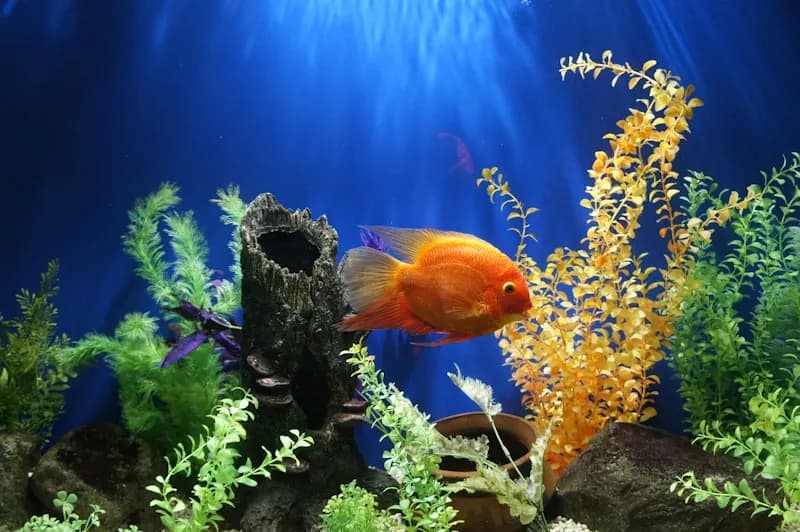
India's diverse climate presents unique challenges for aquarium keepers that fishkeepers in temperate countries never face. From scorching summers where ambient temperatures soar to 35-45°C across most of the country to monsoons that bring power outages, humidity spikes, and tap water quality changes, each season demands specific care adjustments. Even Bangalore, known for its pleasant climate, experiences temperature swings that can stress tropical fish. In this comprehensive seasonal guide, we cover everything you need to know to keep your aquarium thriving throughout the Indian calendar year, with specific advice for different regions and a month-by-month maintenance calendar.
How Should You Care for Your Aquarium in Summer (March - June)?
Summer is the most dangerous season for aquariums in India. Temperatures routinely exceed 35°C in most cities and can reach 45°C in North and Central India. Without air conditioning, tank water can climb to 32-34°C — a lethal range for many popular tropical fish species that thrive between 24-28°C. Oxygen levels drop significantly in warm water, compounding the stress on your fish.
Temperature Management Strategies
Your primary goal during summer is keeping water temperature below 30°C. Here are proven cooling techniques ranked from most to least effective:
- Aquarium chiller: The most reliable solution, especially for tanks above 200 litres. A chiller can maintain precise temperatures regardless of ambient heat. Budget Rs 8,000-25,000 depending on capacity.
- Clip-on cooling fans: Evaporative cooling fans can reduce water temperature by 2-4°C. They increase evaporation, so top off water regularly with treated water. Budget Rs 500-2,000.
- Frozen water bottles: Float sealed plastic bottles filled with frozen water in the tank. Never add ice directly as it changes water chemistry. Use 500ml bottles and rotate them every 4-6 hours. This reduces temperature by 2-3°C temporarily.
- Room cooling: If possible, keep the aquarium in an air-conditioned room during peak summer. Even a ceiling fan directed near the tank helps with evaporative cooling.
Feeding Adjustments for Summer
Reduce feeding by 20-30% during peak summer. While fish metabolism increases in warmer water, dissolved oxygen levels drop sharply. Heavy feeding means more waste, which means more oxygen consumed by bacteria breaking down that waste. Feed once a day instead of twice, and remove uneaten food within 2 minutes.
Evaporation Management
Water evaporation can increase by 30-50% during summer, especially if you use cooling fans. Top off with treated, dechlorinated water daily. Remember that evaporation removes water but not dissolved minerals, so topping off concentrates salts and minerals. Perform regular water changes to prevent mineral buildup, and always do them during the coolest part of the day (early morning or after sunset).
Power Outage Contingencies
Summer power cuts are common across India, especially during peak load hours (2-6 PM). Prepare for outages with:
- UPS or inverter: A 600VA UPS can run a filter and air pump for 2-4 hours. Many Indian households already have inverters — connect your aquarium filter to the inverter circuit.
- Battery-powered air pump: Essential backup. Keep fresh batteries on hand at all times. An air stone provides critical oxygenation when the filter is off.
- Do not feed during outages: Without filtration, uneaten food and fish waste will cause dangerous ammonia spikes.
🐠 Pro Tip from Tank Doc:
During extreme heat waves (above 40°C), consider temporarily relocating your tank to the coolest room in the house, even if it means moving it to a ground floor or interior room without windows. The effort of a temporary move is worth preventing a heat-related fish loss.
How Do You Protect Your Aquarium During Monsoon Season (July - September)?
The Indian monsoon brings relief from summer heat but introduces a new set of challenges for aquarium keepers. Power outages become more frequent and prolonged, humidity soars above 80%, and municipal water quality can change dramatically. Algae blooms are common during this season due to fluctuating light and nutrient conditions.
Power Outage Preparedness
Monsoon-related power cuts can last anywhere from a few minutes to several hours, and in some areas, even days during severe storms. Your preparation checklist should include:
- UPS system (recommended): Invest in a dedicated UPS for your aquarium. A 1000VA UPS (Rs 3,000-6,000) can power a filter and air pump for 4-8 hours. This is the single best investment for monsoon readiness.
- Battery-powered air pump: Keep at least two sets of spare batteries. Test the pump monthly to ensure it works.
- Reduce stocking density: If your area experiences frequent outages, consider temporarily rehoming some fish to reduce the biological load on your system during monsoon months.
Humidity Effects on Equipment
Sustained humidity above 80% can damage electrical components and promote corrosion. Take these precautions:
- Keep all electrical connections elevated and away from splash zones
- Use waterproof power strips with surge protection
- Check light fixtures for condensation buildup weekly
- Apply dielectric grease to electrical connections to prevent corrosion
- Ensure the aquarium hood or lid is properly fitted to reduce moisture escape
Algae Blooms During Cloudy Weather
Monsoon cloud cover creates fluctuating light conditions that can trigger algae blooms. Ironically, algae sometimes increases during monsoon despite less direct sunlight because the diffused light pattern disrupts the stable photoperiod your tank is accustomed to. Use a timer for your aquarium light to maintain a consistent 8-10 hour photoperiod regardless of natural light conditions. If an algae bloom occurs, reduce lighting to 6 hours and increase water changes to twice weekly until it clears. Refer to our algae control guide for detailed strategies.
Tap Water Quality Changes
Municipal water quality often deteriorates during monsoon. Increased runoff can change pH, introduce contaminants, and alter chlorine/chloramine levels. Always test your tap water before doing water changes during monsoon season. If your area draws from surface water sources, expect higher turbidity and possible sediment. Let water sit for 24 hours after treatment and consider using a sediment pre-filter for your water change supply.
🐠 Pro Tip from Tank Doc:
Store 20-30 litres of pre-treated, dechlorinated water at all times during monsoon season. If a sudden water quality issue arises or you need to do an emergency water change after a prolonged power outage, having clean water ready can save your fish.
What Special Care Does Your Aquarium Need in Winter (November - February)?
Winter challenges vary dramatically across India. North Indian cities like Delhi, Jaipur, and Lucknow can see room temperatures drop below 15°C, while South Indian cities like Chennai and Bangalore remain relatively mild. Regardless of your location, temperature stability is the priority during winter months.
North vs South India Temperature Differences
Understanding your regional climate is essential for proper winter aquarium care:
- North India (Delhi, Jaipur, Lucknow, Chandigarh): Room temperatures can drop to 8-15°C in December and January. A reliable heater is absolutely essential. Without one, your tropical fish will suffer cold stress, become lethargic, stop eating, and become highly susceptible to diseases like Ich (white spot).
- Central India (Mumbai, Pune, Hyderabad): Milder winters with room temperatures rarely below 18°C, but nighttime dips can still stress sensitive species. A heater set to 25-26°C provides insurance against cold snaps.
- South India (Bangalore, Chennai, Kochi): Generally mild, but Bangalore's elevation (920m above sea level) means winter nights can reach 14-16°C in areas like Whitefield and Electronic City. Chennai remains warm year-round, rarely needing a heater.
Heater Sizing Guide
The general rule is 1 watt per litre of tank volume for a 10°C temperature differential. For Indian conditions:
- North India: Use 1.5 watts per litre for adequate heating during severe cold. A 100-litre tank needs a 150W heater.
- Central India: 1 watt per litre is sufficient. A 100-litre tank needs a 100W heater.
- South India (Bangalore): 0.5-1 watt per litre. A 100-litre tank needs a 50-100W heater, primarily as a safety net against cold nights.
Always use a heater with a built-in thermostat, and verify the temperature with a separate thermometer. For tanks above 200 litres, use two smaller heaters instead of one large one — if one fails, the other provides backup.
Disease Susceptibility in Winter
Fish immune systems weaken in cold water. Ich (white spot disease), fin rot, and fungal infections spike during winter. Maintain stable temperatures, avoid sudden temperature swings during water changes, and watch for early signs of disease. Pre-warm your water change water to match the tank temperature exactly. Read our fish health guide for disease prevention strategies.
🐠 Pro Tip from Tank Doc:
Place your aquarium against an interior wall rather than an exterior wall during winter. Exterior walls radiate cold, especially at night, which can cause temperature fluctuations. An interior wall provides natural insulation and keeps your tank more stable.
What Are the Bangalore-Specific Aquarium Care Tips?
Bangalore deserves special attention because of its unique microclimate. At 920 metres above sea level, Bangalore enjoys cooler temperatures than most Indian cities, but this creates specific considerations for aquarium keepers.
Area-Specific Advice
- Whitefield and East Bangalore: These areas tend to be slightly warmer and drier than central Bangalore. Summer temperatures can peak higher here. Borewell water is common and often has high TDS (500-800 ppm) — always test and treat before using for water changes.
- Electronic City and South Bangalore: Slightly cooler due to elevation and green cover. Power stability has improved but keep backup ready. Borewell water TDS varies from 300-600 ppm.
- Central Bangalore (Jayanagar, Koramangala, Indiranagar): Cauvery water supply is more reliable here, with TDS typically 150-300 ppm. However, old plumbing can leach metals — run the tap for a minute before collecting water for your tank.
- North Bangalore (Hebbal, Yelahanka): Mix of borewell and Cauvery water. Test your specific supply regularly as quality can vary street by street.
Borewell Water TDS Management
Bangalore's borewell water often has TDS levels of 400-800 ppm, which is too high for most freshwater fish (ideal range: 100-300 ppm for most tropical species). Options include:
- Mixing borewell water with RO water to achieve target TDS
- Using a dedicated RO unit for aquarium water
- If using municipal Cauvery water, TDS is usually acceptable but always test after monsoon season when quality can change
What Should Your Monthly Maintenance Calendar Look Like?
Here is a month-by-month guide tailored to the Indian climate:
- January-February: Peak winter. Check heater function weekly. Watch for disease. Maintain normal water change schedule. Good time for equipment maintenance and upgrades.
- March: Transition month. Start monitoring temperature rise. Test your cooling equipment. Gradually adjust feeding as temperatures increase.
- April-May: Peak summer begins. Activate cooling measures. Increase water top-offs. Reduce feeding. Ensure backup power is ready.
- June: Pre-monsoon heat and humidity. Maximum cooling effort. Prepare monsoon emergency supplies. Service your UPS and check battery backups.
- July-August: Peak monsoon. Monitor water quality carefully. Test tap water before every water change. Watch for algae blooms. Keep aquarium lid secure.
- September: Late monsoon. Continue monsoon precautions. Begin planning for the transition to cooler weather.
- October: Post-monsoon. Great time for a thorough deep clean and equipment service. Test and prepare heaters for winter.
- November-December: Winter onset. Activate heaters. Reduce any cooling measures. Monitor nighttime temperature drops closely.
How Often Should You Test Water by Season?
Water testing frequency should increase during challenging seasons:
- Summer: Test ammonia, nitrite, and temperature twice weekly. Test pH and nitrate weekly.
- Monsoon: Test all parameters twice weekly, including your tap water source before water changes.
- Winter: Weekly testing is sufficient unless you notice behavioural changes in your fish. Monitor temperature daily.
- Post-monsoon/Pre-summer (transition months): Weekly testing with daily temperature monitoring as conditions shift.
Invest in a reliable liquid test kit (API Master Test Kit or equivalent) rather than test strips for accurate readings. Accurate water parameter data is the foundation of good fishkeeping in any season.
🐠 Pro Tip from Tank Doc:
Keep a battery-powered air pump, a UPS for your filter, and 20 litres of pre-treated water as your aquarium emergency kit. Power cuts during Indian monsoons and summers can be life-threatening for your fish. This simple kit has saved countless tanks for our customers across Bangalore.
Frequently Asked Questions
How do I cool my aquarium during Indian summers?
What should I do during a power outage?
Do I need a heater in Bangalore?
Popular Searches

Rohit Mahesh
Founder, Tank Doc
Lifelong aquarium enthusiast and founder of Tank Doc. Rohit has spent years perfecting the art of aquarium and pond care, turning his passion for aquatic life into a professional service that helps fish keepers across Bangalore maintain healthy, thriving underwater worlds.
Contact Us →Related Articles
How to Keep Your Fish Healthy
Proven tips to keep your aquarium fish healthy covering water quality, diet, tank mates, and disease prevention.
Understanding Aquarium Water Parameters
Master aquarium water chemistry - learn about pH, ammonia, nitrite, nitrate, and how to maintain ideal levels.
How to Reduce Fish Stress in Your Aquarium
Identify stress signs and learn 10 proven tips to keep your aquarium fish calm, healthy, and thriving.
How to Clean Your Aquarium
Learn how to clean your aquarium properly with our step-by-step guide. Expert tips on glass cleaning, gravel vacuuming, water changes & filter maintenance.